Blueprint: A Sweet & Cursive Handwritten Font for Modern Design
Finding a typeface that feels both personal and professional can be a real challenge. You want something with character, something that doesn't look like it was pulled from a default system font folder. That's where a font like Blueprint comes into the conversation. It’s a sweet, cursive handwritten font designed to bring a gentle, joyful, and romantic touch to your work. But how do you actually use a script font like this effectively in real projects? Let's break down its strengths and practical applications.
Understanding the Personality of Blueprint
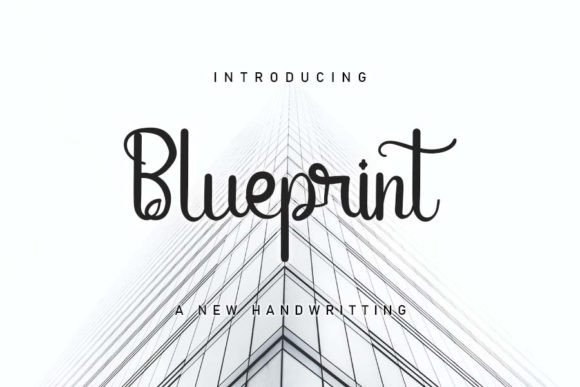
At its core, Blueprint is a script font that mimics natural, flowing handwriting. Its visual characteristics are defined by smooth, connected letterforms with a consistent baseline. The strokes have a moderate contrast, giving it a soft, approachable feel rather than a sharp, calligraphic one. This isn't a font that shouts; it whispers. Its personality is inherently romantic, joyful, and gentle. Think of it as the typographic equivalent of a heartfelt handwritten note or a beautifully crafted invitation.
As a display font, its primary role is to catch the eye and convey emotion, not to set long paragraphs of body copy. Its cursive nature means it carries a lot of stylistic flair, which makes it a creative font perfect for headlines, logos, and accent text. When you choose Blueprint, you're not just picking letters; you're selecting a mood. It communicates warmth, care, and a human touch—qualities that can elevate a brand's identity or a project's emotional appeal.
Where Does Blueprint Shine? Practical Applications
The versatility of a well-designed handwritten font like Blueprint is one of its greatest assets. It can be adapted across a surprising range of mediums, each time adding a layer of personality. Here’s a look at where it fits naturally.
Branding and Logo Design
For logo design, Blueprint can be a fantastic choice for businesses that want to project a friendly, approachable, and artisanal image. Imagine it used for a boutique bakery, a handmade jewelry brand, a wedding planning service, or a local florist. Paired with a clean, simple sans serif font for supporting text, it creates a balanced and memorable brand identity. The key is ensuring the font's personality aligns perfectly with the brand's core values. A tech startup might find it too casual, but a lifestyle brand will feel right at home.
Marketing and Social Media Graphics
In the fast-scrolling world of social media, stopping the thumb is everything. Blueprint excels here. Use it for bold, eye-catching quotes on Instagram, for sale announcements that feel personal rather than corporate, or for creating a cohesive series of Pinterest pins. Its cursive style draws the eye, making it perfect for calls-to-action or key messages you want to highlight. As part of your design assets, it can help maintain a consistent and engaging visual language across all your social media graphics.
Publishing and Editorial Design
While not for body text, Blueprint has a strong place in editorial design. Think chapter titles in a cookbook, pull quotes in a lifestyle magazine, or the title treatment for a romance novel. It adds an intimate, authorial voice to the page. For bloggers and publishers, it can be used for website headers or featured image text to create a distinct visual style that readers will recognize and associate with your content.
Packaging and Product Design
On physical products, a premium font like Blueprint can significantly enhance perceived value. It works beautifully on packaging design for artisanal goods, coffee bags, craft supplies, or beauty products. It suggests that care and thought went into the product itself. Paired with complementary textures and colors, it helps create an unboxing experience that feels special and curated.
Digital and Web Design
When used judiciously in web design, Blueprint can break up the monotony of standard web fonts. It’s ideal for hero section headings, special promotional banners, or "About Us" page introductions. The crucial consideration online is readability. Always ensure the font size is large enough and the background provides sufficient contrast. For mobile screens, test it thoroughly to ensure its elegant curves remain clear and don't become a visual jumble.
Personal and Craft Projects
Beyond commercial use, Blueprint is a joy for personal projects. It’s perfect for designing custom wedding invitations, greeting cards, personalized stationery, or scrapbook layouts. For crafters using cutting machines, it can create beautiful vinyl decals or stencils for home décor. Its accessibility makes it a wonderful tool for hobbyists looking to add a professional, polished touch to their creations.
Making Blueprint Work for You: Practical Guidance
Integrating any new font into your workflow requires a bit of strategy. Here’s how to approach using Blueprint effectively.
Evaluating Project Fit: Before you start, ask: Does the emotional tone of Blueprint match my project's goals? If you're aiming for sleek, modern, and authoritative, this might not be the right typeface. If you're aiming for warm, creative, and personal, it's likely a perfect fit.
Mastering Font Pairing: This is perhaps the most critical skill. A busy cursive font like Blueprint needs a calm partner. The classic rule of thumb is to pair it with a simple, neutral sans serif font (like Lato, Open Sans, or Montserrat) or a traditional serif font (like Lora or Merriweather). The contrast creates visual hierarchy and ensures your message is communicated clearly. Avoid pairing it with other decorative or script fonts, as this creates visual chaos.
Considering Readability: Blueprint is a display font, not a workhorse for long sentences. Use it for short, impactful text. For longer headlines, ensure the letter spacing is adequate. If certain letter combinations (like "bl" or "oo") look too crowded, manually adjust the kerning for a cleaner look.
Reviewing Included Styles: Many premium fonts come with stylistic alternates, ligatures, or swashes. Check what Blueprint offers. Using a stylistic alternate for a capital letter or a unique ligature for "th" or "st" can add a custom, hand-lettered feel that elevates your design from good to great.
Understanding Commercial Licensing: If you're using Blueprint for a client project, a business logo, or any commercial product, verify the font's license. Most fonts purchased from reputable foundries include a commercial license, but it's your responsibility to ensure you're compliant. This protects you and supports the font designers who create these valuable design assets.
Ultimately, Blueprint is more than just a collection of glyphs; it's a tool for storytelling. By understanding its personality and applying it thoughtfully, you can harness its sweet, cursive charm to create designs that resonate on a human level, building stronger connections with your audience and infusing every project with a touch of joyful elegance.