Bubble Stone: A Vintage Script for Modern Projects
There's a particular kind of charm in typography that feels both familiar and fresh. It's the feeling you get from a hand-painted sign at a local bakery or a vintage logo that seems to have a story to tell. Bubble Stone is a script font that captures this exact spirit. It's not just a collection of letters; it's a creative font with a distinct personality—fun, bubbly, and infused with a retro-vintage vibe that can instantly elevate a design. For anyone working on a brand identity, a piece of editorial design, or even personal craft projects, understanding how to leverage a typeface like this is key to creating something memorable.
More Than Just Bubbles: The Font's Personality and Appeal
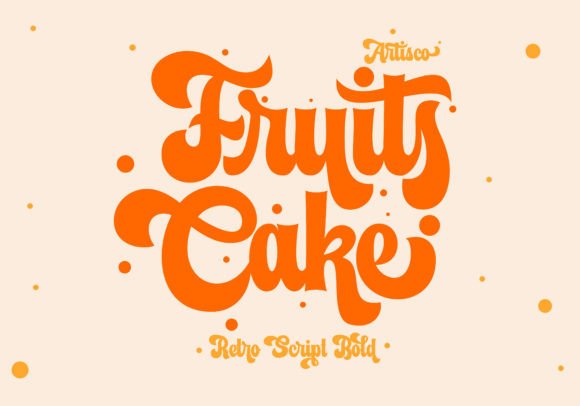
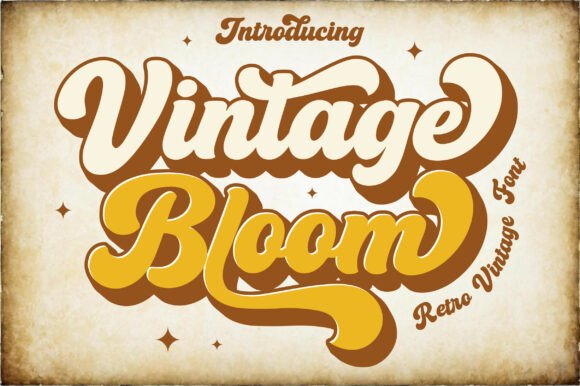
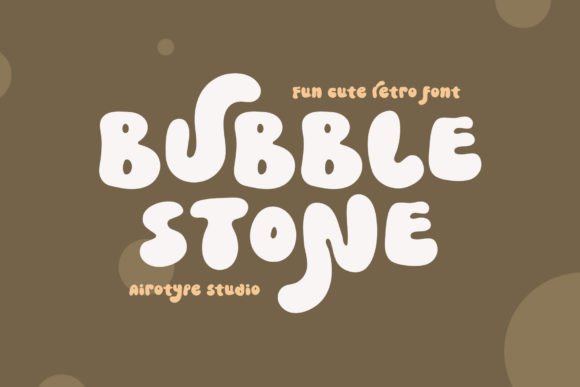
At its core, Bubble Stone is a display font. This means it’s designed to be used at larger sizes for headlines, logos, and other applications where its detailed character can shine. Its visual style is a fluid, connected script that mimics the natural flow of handwriting, but with a polished, consistent weight that ensures professionalism. The "bubble" aspect comes from its soft, rounded terminals and gentle curves, which give it a warm and approachable feel. The "stone" suggests a certain solidity and timelessness, preventing it from looking overly whimsical or childish.
This duality is what makes it such a versatile typeface. It can feel playful and energetic for a children's brand or a summer event, yet it can also convey a sense of nostalgia and authenticity for a craft brewery, a boutique coffee shop, or a vintage-inspired clothing line. When you choose Bubble Stone, you're not just selecting a font; you're adopting a tone of voice for your visual communication. It speaks of creativity, warmth, and a handcrafted quality that stands out in a world of clean, geometric sans serif font choices.
Putting Bubble Stone to Work: Practical Applications
The true test of any premium font is its real-world utility. Bubble Stone's wide spectrum of applications is one of its greatest strengths. It moves seamlessly between digital and print, personal and commercial contexts. Here’s where it tends to make the biggest impact:
- Branding and Logo Design: This is a natural home for Bubble Stone. A strong logo needs to be unique and recognizable. Using this font for a wordmark or a logotype can immediately establish a brand's personality as friendly, creative, and approachable. It works exceptionally well for businesses in the food, beverage, lifestyle, and creative services industries.
- Marketing and Social Media Graphics: In the fast-scrolling environment of social media, you have a split second to grab attention. The distinctive style of Bubble Stone helps headlines and quotes stand out. It’s perfect for creating eye-catching Instagram stories, Facebook ads, or Pinterest pins that need a dose of personality and warmth.
- Packaging and Product Design: Imagine this font on a label for artisanal jam, a sticker for a handmade candle, or the header on a bakery box. It instantly communicates a story of care and craftsmanship, influencing brand perception before the product is even tried.
- Publishing and Editorial Design: While not suited for long body text, Bubble Stone is excellent for chapter titles in a book, magazine headlines, or pull quotes that need to draw the reader's eye. It adds a layer of visual interest that a standard serif font might not provide.
- Web Design and Digital Content: Used strategically for hero section headlines, call-to-action buttons, or special announcement banners, Bubble Stone can break the monotony of a standard web design layout and guide the user's visual journey.
- Personal Projects and Craft: For greeting cards, wedding invitations, scrapbooking, or custom stationery, this font offers a professional-grade tool that is far more refined than standard system fonts. Its PUA encoding means every glyph and swash is accessible, even in basic design software.
Making It Work: Guidance for Designers and Creators
Choosing a font is a design decision, not just a decorative one. To use Bubble Stone effectively, a thoughtful approach is necessary. First, consider your project's fit. Is the tone of your project aligned with a retro, vintage, or handcrafted aesthetic? If you're designing for a cutting-edge tech startup, a bubbly script font might send the wrong message. But for a local florist, a food blogger, or a vintage market, it’s a perfect match.
Next, think about font pairing. A strong display font like Bubble Stone rarely works well on its own for all text. The key to good modern typography is contrast and hierarchy. Pair it with a clean, simple sans serif font or a classic serif font for body text. This allows Bubble Stone to command attention in headlines without sacrificing overall readability. For example, a headline in Bubble Stone followed by paragraphs in a font like Lato or Open Sans creates a balanced and professional layout.
Always test for readability. While it’s a display font, it still needs to be legible at the intended size. Check how it looks on different screens and in print. Pay attention to the spacing between letters (kerning) and ensure that the connected script doesn’t cause letters to blur together at smaller sizes. Finally, review the full character set. A quality commercial font like this often includes alternates, ligatures, and swashes that can add a unique touch to specific words or initials, making your design truly one-of-a-kind. And of course, ensure your license covers your intended use, whether it's for a personal blog or a commercial product line.
In the landscape of design assets, Bubble Stone stands out as a reliable and expressive tool. It’s a creative font that doesn’t just decorate a page but actively contributes to the narrative. By understanding its strengths and applying it with intention, you can harness its vintage charm to create work that resonates, engages, and leaves a lasting impression. It’s a reminder that the right typeface is a fundamental piece of the creative puzzle, one that can define the entire feel of a project.